5 Secrets to Turn Woodworking Hobby into Cash

Bedroom Decor Color Palette Guide – 24 Room Design Ideas & Styling Catalog
Struggling to visualize your dream bedroom? Stop guessing and steal our exact color formulas! Instantly unlock 24 professionally curated palettes, complete with paint aesthetics and styling secrets to transform your space today.
Introduction: From Sawdust to Salary
Woodworking has always been a beloved weekend escape—the smell of fresh-cut lumber, the satisfaction of shaping raw material into something beautiful. But what if you could turn that hobby into a real income stream without sacrificing the joy of creation? The truth is, countless weekend woodworkers have built profitable businesses from their garages. The key lies in strategic planning, a shift in mindset, and leveraging the right tools. In this article, we break down how you can transform your passion into a sustainable side hustle or even a full-time career. Whether you're building custom furniture, small decor items, or niche pieces like cutting boards, the principles remain the same: make it beautiful, make it efficient, and make it sell.
1. Niche Down and Specialize
The first step to turning a hobby into income is finding your unique angle. You don't need to compete with big-box stores. Instead, focus on a specific niche—like mid-century modern coffee tables, rustic farmhouse signs, or live-edge shelves. Livingetc often highlights how specialized design commands higher prices. By mastering one style or product, you build a reputation and streamline your workflow.
2. Create a Simple, Scalable Business Model
You don't need a full workshop. Start by selling on platforms like Etsy, local markets, or even custom orders through social media. One of the most efficient ways to begin is to set up a link to our related decor guide workshop with hand-me-down tools. This approach keeps startup costs low. Price your items by calculating material cost, time, and a small profit margin. As demand grows, reinvest in better equipment.
3. Build a Brand Around Your Craft
Marketing matters. Share your process on Instagram, TikTok, or Pinterest—people love behind-the-scenes content. Show the rough lumber, the sanding, the final reveal. This builds trust and desire. Use storytelling: each piece has a story. A simple hashtag like #WeekendWoodworker can connect you with buyers. Don't underestimate the power of good photography: natural light and clean backgrounds sell furniture.
4. Offer Customization and Speed
Many buyers want something unique but don't have the patience for long lead times. Offer a few custom options (like wood species, stain color, size) and a standard turnaround of 2–3 weeks. Efficiency comes from jigs and templates. If you can produce a quality table in one weekend, you can profit. Batch production is your friend: make multiples of the same item to amortize setup time.
5. Master Your Pricing Strategy
Don't undervalue your work. Research comparable items online. A good rule: materials x 2 + hourly rate = wholesale price; retail is often triple materials. But also consider perceived value. A live-edge slab with a story can sell for much more. Test different price points and adjust based on feedback.
The Winzoo Sofa Does the Job of Three Different Pieces of Furniture
The Upvilla Loveseat Is Built for People Who Actually Want to Lounge, Not Just Sit
The Vongrasig Sectional Is Built for People Who Rearrange Their Room More Than Once a Year
The Shintenchi Sectional Solves the Small-Apartment Sofa Problem
This Reversible L-Shaped Gaming Desk Comes in Almost Any Style You Need
This 16-Color Moon Lamp Is a Genuinely Good Gift, Not Just a Gimmick
This Rolling Laundry Sorter Basically Does the Sorting Work For You
This 2-Tier Washer Dryer Countertop Turns Wasted Space Into a Real Folding Station
Kenmore's 4.5 Cu. Ft. Front Load Washer Might Be the Easiest Upgrade for Your Laundry Room
This Ginkgo Leaf Wall Mirror Is the Easiest Way to Upgrade a Boring Sofa Wall
24"x63" Pink Faux Framed Leaning Mirror Review: The Vanity Corner Piece Everyone's Pinning
11Lbs Portable Clothes Dryer (Blue) Review: A Fresh Take on Small-Space Laundry
11Lbs Portable Clothes Dryer (Black) Review: A Smart Fix for Small Laundry Rooms
63"x24" Ivory Arched Full-Body Mirror Review: A Soft, Neutral Statement Piece
63"x24" Wavy Black Arched Full-Body Mirror Review: Bold, Sculptural, Modern
Actionable Tips: 5 Ways to Start Earning This Weekend
- List one small item (like a cutting board or phone stand) on Etsy or Facebook Marketplace today. Start with what you have.
- Use Instagram Stories to show a project in progress and ask followers if they'd like to buy a similar one.
- Join local woodworking groups or craft fairs—sell even at a low price to build word-of-mouth.
- Create a simple pricing spreadsheet: include materials, time (at $20–$40/hour), overhead (electricity, blades), and profit goal.
- Offer a referral discount: “Bring a friend and get 10% off both orders.” This grows your customer base.
Frequently Asked Questions
Q: Do I need expensive machinery to start selling?
A: No. Many successful woodworkers started with a circular saw, a drill, and a sander. The link to our related decor guide shows how to set up a functional workshop on a budget.
Q: How do I find customers for custom furniture?
A: Start with your personal network, then move to local Facebook groups, Nextdoor, and Instagram. Offer a free small item to a friend in exchange for a testimonial. Word-of-mouth is powerful.
Q: What types of woodworking projects sell best?
A: Small, easy-to-ship items like cutting boards, phone stands, serving trays, and wall shelves have high demand. Larger furniture sells but requires more space and shipping costs. Test the market with smaller pieces first.
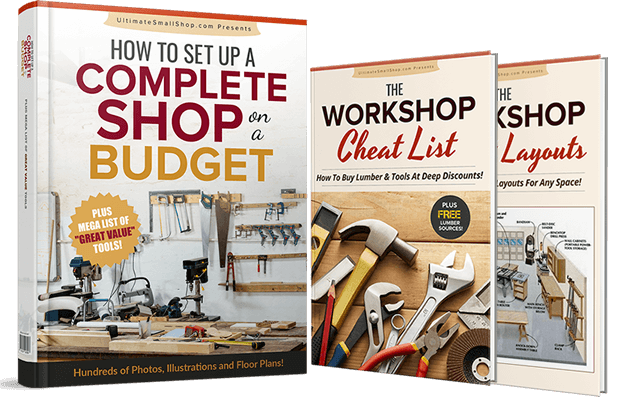
Master Woodworking from a Tiny Shop
Discover how to set up a complete woodworking shop on a budget. Get hundreds of photos, floor plans, and a mega list of discounted tools to build your dream workspace anywhere!