5 First Woodworking Projects That Sell Fast for Profit

Bedroom Decor Color Palette Guide – 24 Room Design Ideas & Styling Catalog
Struggling to visualize your dream bedroom? Stop guessing and steal our exact color formulas! Instantly unlock 24 professionally curated palettes, complete with paint aesthetics and styling secrets to transform your space today.
Woodworking is not just a satisfying hobby—it can be a genuine source of income if you know which projects to create. For beginners, the key is to start with simple, functional items that require minimal tools but have high perceived value. Think rustic cutting boards, minimalist wall shelves, wooden coasters, small plant stands, and simple jewelry boxes. These pieces appeal to buyers looking for handmade, sustainable home decor that fits modern farmhouse or Scandinavian aesthetics. In this guide, we’ll walk you through the best first woodworking projects that sell for profit, plus actionable tips to get your pieces noticed and sold fast.
Why Woodworking Projects Can Turn a Profit
The handmade home decor market is booming. Consumers are increasingly drawn to unique, natural items that mass-produced stores cannot offer. Wooden accessories add warmth, texture, and durability to any space. Moreover, the materials for small projects—pine, cedar, reclaimed wood, and even pallets—are affordable. A cutting board that costs you $5 in wood and 2 hours of work can sell for $30 to $60. The profit margin is huge once you master the basics. And because these items are lightweight and easy to ship, your market isn’t limited to local craft fairs—platforms like Etsy and Instagram can bring global buyers.
Top 5 First Woodworking Projects That Sell
1. Rustic Cutting Boards
Cutting boards are the single best entry‑level project. They require straight cuts, sanding, and food‑safe finishing. Buyers love them for gifting and daily use. Use hardwood like maple or walnut if possible, or edge‑glue pine strips for a farmhouse look. Add a juice groove and a finger hole, and you can double your price. List them on House Beautiful style inspiration boards to see which finishes are trending.
2. Minimalist Wall Shelves
Small floating shelves made from a single piece of wood are incredibly fast to build. Sand them smooth, apply a dark stain or natural oil, and attach simple metal brackets from the hardware store. These sell particularly well for organizing kitchens, bathrooms, and home offices. A set of three shelves can be a high‑value bundle. To maximize profit, photograph them styled with plants and decor—buyers need to visualize the shelf in their own home.
3. Wooden Coasters (Sets of 4 or 6)
Coasters are the ultimate low‑waste project. You can use offcuts from larger builds. Cut squares roughly 4x4 inches, sand edges, and apply a water‑resistant finish. Add a wooden holder or a simple jute tie, and the set commands $15–$25. Coasters are also great for experimenting with wood burning, paint, or resin. If you have a laser engraver, you can personalize them with names or logos and charge premium prices.
4. Small Plant Stands
Indoor plants are still a massive trend. A simple three‑legged stand or a box‑style stand that fits a standard 6‑inch pot is easy to build and finishes quickly. Use chamfered edges or a slight taper for visual appeal. Because plant stands take up floor space, they often sell for $25–$45 each in local markets. Make sure to add rubber feet to protect floors—this small detail signals quality to buyers.
50 Professional DIY Room Decor Ideas for Small Spaces
The Winzoo Sofa Does the Job of Three Different Pieces of Furniture
The Vongrasig Sectional Is Built for People Who Rearrange Their Room More Than Once a Year
The Shintenchi Sectional Solves the Small-Apartment Sofa Problem
This Reversible L-Shaped Gaming Desk Comes in Almost Any Style You Need
This 16-Color Moon Lamp Is a Genuinely Good Gift, Not Just a Gimmick
This Rolling Laundry Sorter Basically Does the Sorting Work For You
This 2-Tier Washer Dryer Countertop Turns Wasted Space Into a Real Folding Station
Kenmore's 4.5 Cu. Ft. Front Load Washer Might Be the Easiest Upgrade for Your Laundry Room
This Ginkgo Leaf Wall Mirror Is the Easiest Way to Upgrade a Boring Sofa Wall
24"x63" Pink Faux Framed Leaning Mirror Review: The Vanity Corner Piece Everyone's Pinning
11Lbs Portable Clothes Dryer (Blue) Review: A Fresh Take on Small-Space Laundry
11Lbs Portable Clothes Dryer (Black) Review: A Smart Fix for Small Laundry Rooms
63"x24" Ivory Arched Full-Body Mirror Review: A Soft, Neutral Statement Piece
63"x24" Wavy Black Arched Full-Body Mirror Review: Bold, Sculptural, Modern
5. Simple Jewelry Boxes
Jewelry boxes require a few more joinery skills, but a basic box with a hinged lid is within reach of a beginner. Use a miter saw or a table saw to cut precise 45‑degree angles, then glue and clamp. Line the inside with felt or velvet. A box made from aromatic cedar smells lovely and sells well. Price depends on size and wood type, but a small box can easily fetch $30–$50. This project teaches essential skills like cutting dados or rabbets, which you can apply to bigger pieces later.
Actionable Tips to Start Selling Today
- Photograph with lifestyle settings: Place your cutting board on a kitchen counter with fresh fruit nearby. Show your shelf holding a small plant and a book. Buyers pay more for a styled photo.
- Use proper finishing oils: For kitchen items, always use food‑safe mineral oil or beeswax. For shelves and coasters, a polyurethane finish protects against water rings. Never use toxic varnishes on food‑contact surfaces.
- Price for profit: Calculate your material cost plus an hourly labor rate (even $15/hour). Then add a 20‑30% markup. Check similar items on Etsy to stay competitive. Do not underprice yourself—handmade items have inherent value.
- Leverage social proof: Share build process Reels or TikToks showing the sanding and oiling stages. Customers love seeing the craftsmanship. Include a link to your shop or use the “Shop Now” feature on Instagram.
- Bundle related items: A cutting board that comes with a matching trivet or a set of coasters sells for more than each item separately. Bundles also increase order value and reduce shipping costs per unit.
For a complete guide on organizing your woodworking tools efficiently, check out our related decor guide. It shows you how to set up a pegboard wall that keeps your chisels, clamps, and sanding blocks within reach—saving time and protecting your tools.
Where to Sell Your Woodworking Projects
Start with local channels: farmers’ markets, craft fairs, or Facebook Marketplace. You can also open an Etsy shop—it’s the largest marketplace for handmade goods. Even Instagram and Pinterest can drive direct sales if you link to a simple Shopify or Big Cartel store. As you build a portfolio, consider wholesale orders to boutiques or interior designers who appreciate unique home accents. Remember, consistency matters—list at least one new item each week to keep your shop fresh.
Frequently Asked Questions
What tools do I need to start these projects?
A circular saw (or a miter saw), a sander (orbital or hand blocks), clamps, a drill, and a router (optional for juice grooves) are enough. Most projects require less than $200 in tools if you buy used or borrow.
How can I learn the necessary skills quickly?
Watch beginner‑focused YouTube channels (e.g., Steve Ramsey’s Woodworking for Mere Mortals) and practice on scrap wood. Focus on accurate measuring, square cuts, and thorough sanding before tackling any finish.
Are these projects profitable after all costs?
Yes, if you keep your overhead low. Avoid expensive hardwoods initially; pine and poplar are cheap and finish beautifully. Even with a modest hourly rate, you can expect a 50–80% profit margin on items like coasters and shelves. Cutting boards and boxes deliver slightly lower margins due to wood cost, but volume makes up for it.
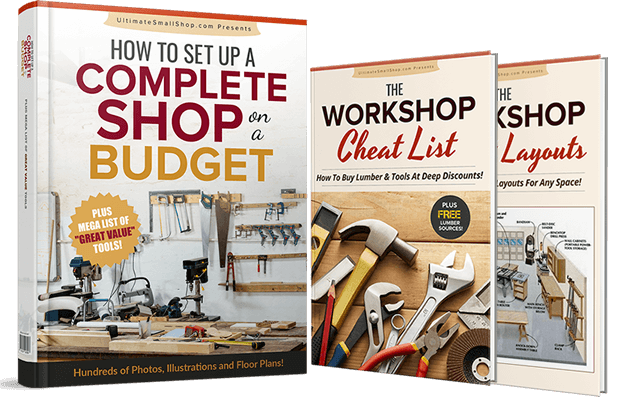
Master Woodworking from a Tiny Shop
Discover how to set up a complete woodworking shop on a budget. Get hundreds of photos, floor plans, and a mega list of discounted tools to build your dream workspace anywhere!